Credit Card Team – Embossing at Brazil Bank
When I joined the Credit Card Embossing team at Banco do Brasil, I was working as a Senior UX/UI Designer with the mission to modernize critical internal systems. Between 2021 and 2022, many workflows still relied on SISBB, a terminal system and shared spreadsheet tools that were outdated, fragile, and risky. My role was to lead end-to-end, from discovery and research to delivery and developer documentation. The impact was direct: the team's efficiency, operational risks, and Banco do Brasil began evolving its Design System into a robust foundation that meets real business and user needs.
Category
Internal System Brazil Bank
Duration
6 months
Year
2021-2022
Credit Card Team – Embossing at Brazil Bank
When I joined the Credit Card Embossing team at Banco do Brasil, I was working as a Senior UX/UI Designer with the mission to modernize critical internal systems. Between 2021 and 2022, many workflows still relied on SISBB, a terminal system and shared spreadsheet tools that were outdated, fragile, and risky. My role was to lead end-to-end, from discovery and research to delivery and developer documentation. The impact was direct: the team's efficiency, operational risks, and Banco do Brasil began evolving its Design System into a robust foundation that meets real business and user needs.
Category
Internal System Brazil Bank
Duration
6 months
Year
2021-2022

Understanding the Challenge
Even as a modern, digital bank, Banco do Brasil had legacy workflows that slowed teams down. For the embossing team, key challenges included:
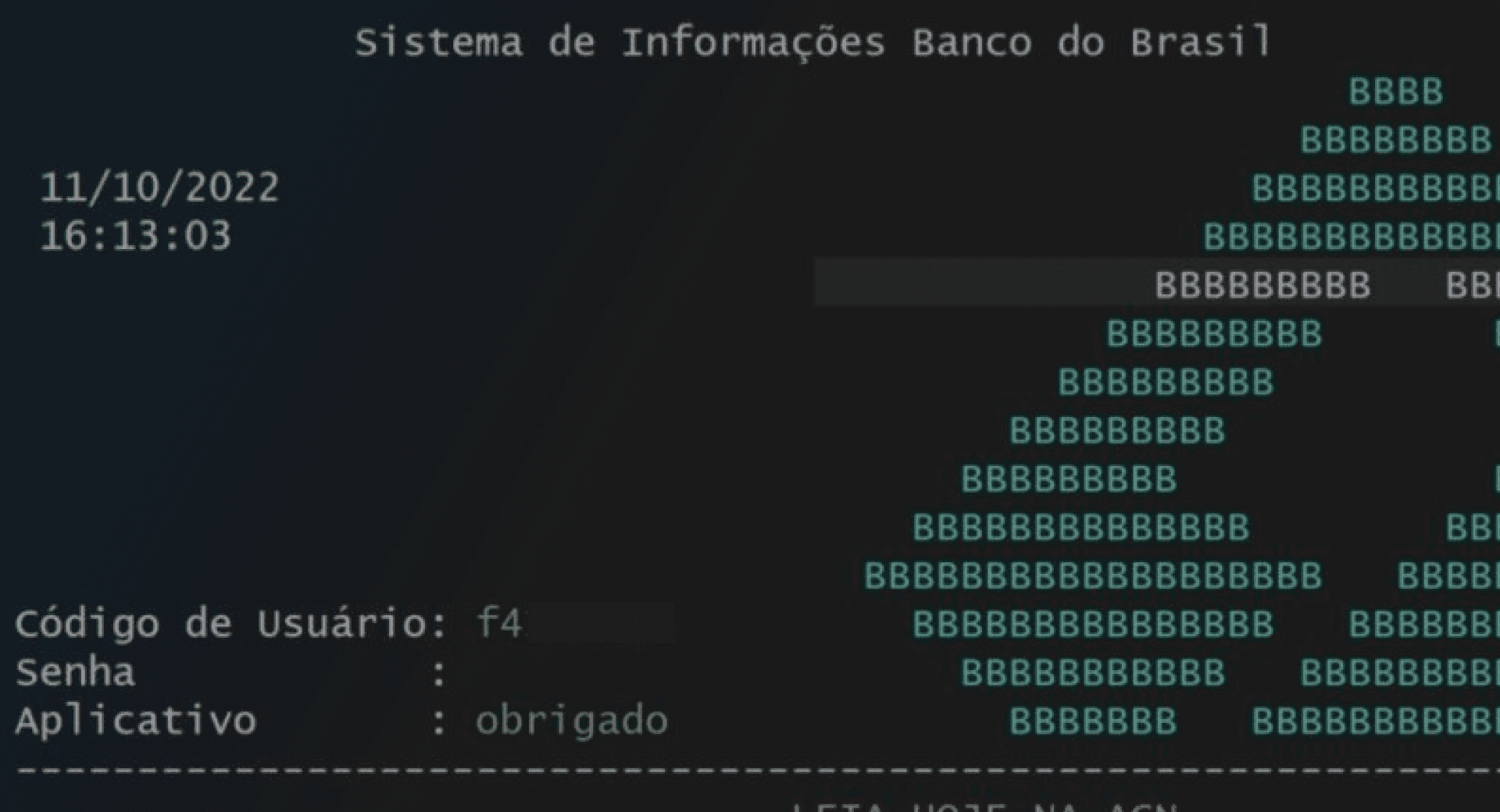
Low usability in SISBB → Only codes + access keys, no clear history of actions.
Security risks → Sensitive data in spreadsheets circulated across teams without control.
Operational fragility → If one analyst failed to update a spreadsheet, processes broke.
Audit limitations → Hard to trace who did what, when, and why.
The goal was clear: transform manual, outdated processes into a secure, dynamic, and user-friendly platform that supports both analysts and managers.
SISBB
Research & Discovery
To understand real needs, I worked closely with analysts, managers, and developers across departments.
Conducted interviews and shadowing sessions with embossing team members.
Collected feedback on SISBB frustrations and pain points.
Ran workshops to map workflows, highlighting bottlenecks like missing history, scattered files, and slow approvals.
Mapping & Prototyping
With problems defined, we mapped how information should be organized:
Structured information architecture for card layouts, statuses, histories, and comments.
Created wireframes for flows like layout reference, approvals, and history tracking.
Tested early versions with employees, refining navigation and content placement.
Design & Iteration
Next, we turned ideas into usable designs:
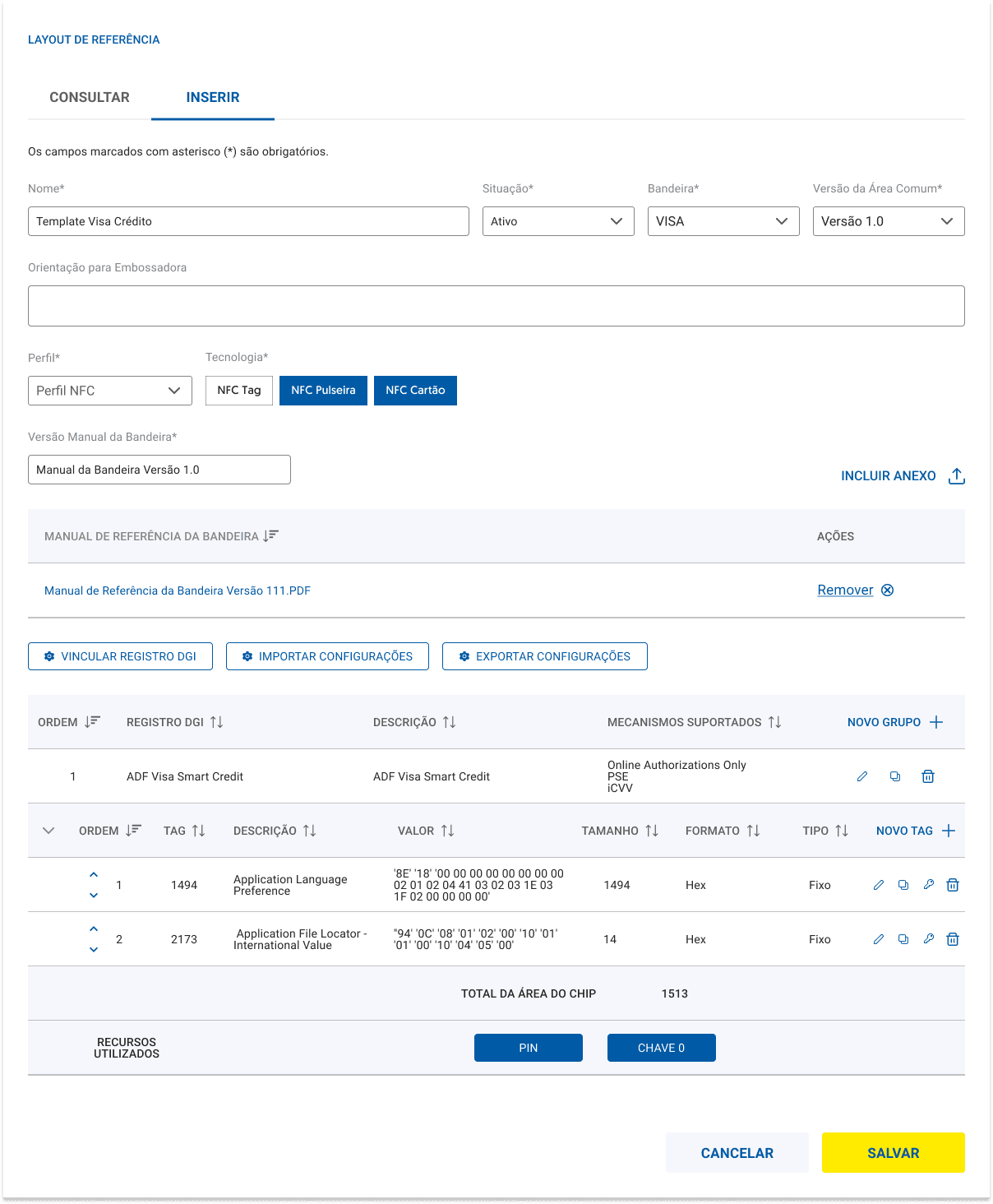
Transformed static SISBB screens into dynamic interfaces showing card visuals, histories, and comments.
Introduced double-authentication workflows: analysts executed tasks, while managers had to authorize them, reducing errors and increasing accountability.
Built new Design System components, improving consistency and feeding them back into Banco do Brasil’s larger system.
Iterated constantly: features like card layout references evolved from static text into dynamic views with history and visual context.
The Solution
The redesigned platform delivered:
Dynamic card layout references → Including card visuals, histories, and metadata.
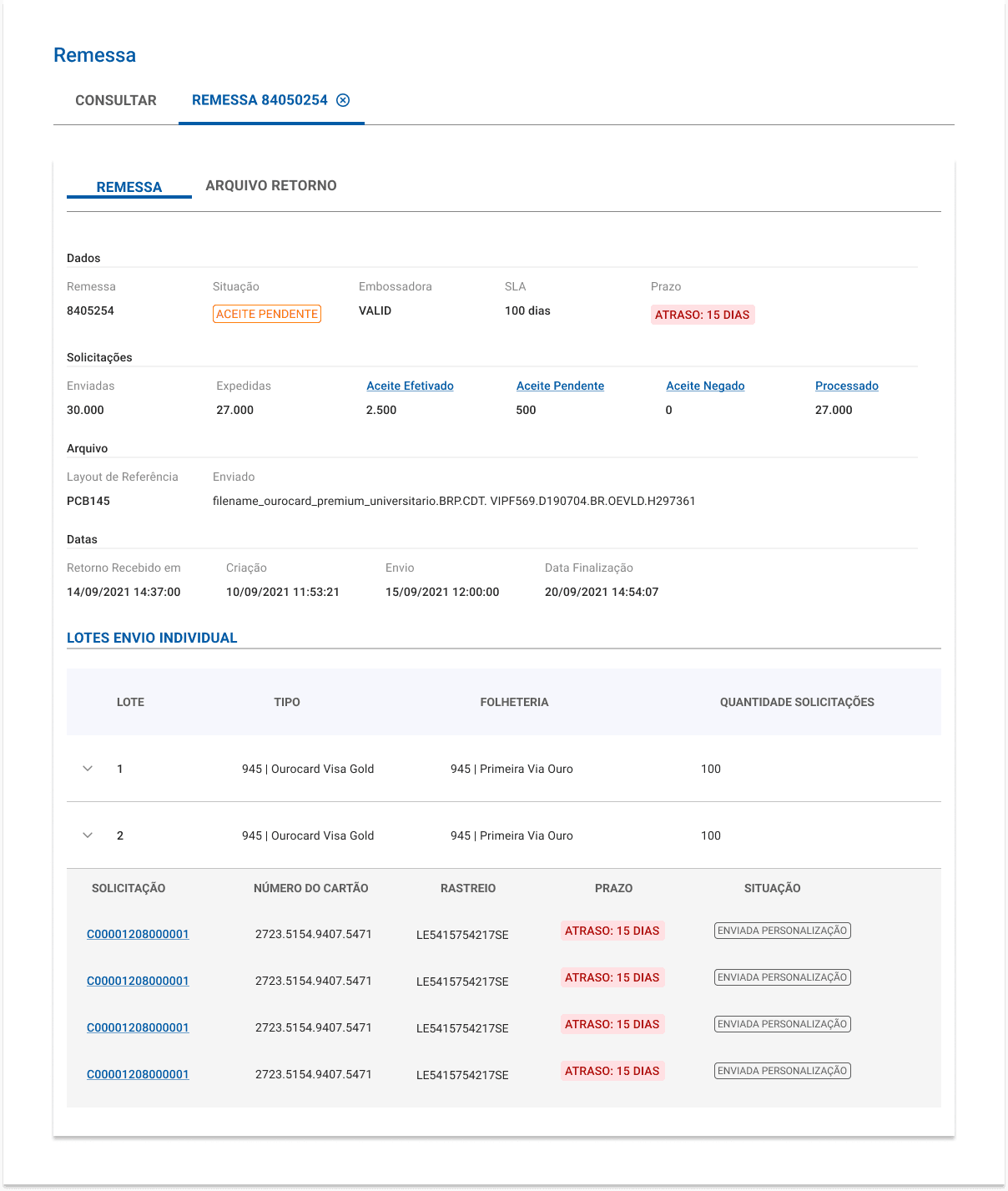
Improved traceability → Clear logs of actions, with who, when, and what changed.
Security-first flows → Strict access rules and double authentication for approvals.
A scalable Design System → New components designed specifically for embossing, later extended to other teams.
Impact
The redesign had an immediate effect:
Efficiency → Faster, clearer access to information.
Security → Reduced risks of data leaks and process failures.
Collaboration → Analysts, managers, and embossing teams aligned in one system.
Scalability → Design System strengthened with reusable components.
This case reinforced my belief that a Design System is never finished. It’s a living, evolving organism growing with the needs of users and organizations.
Screens Embossing System